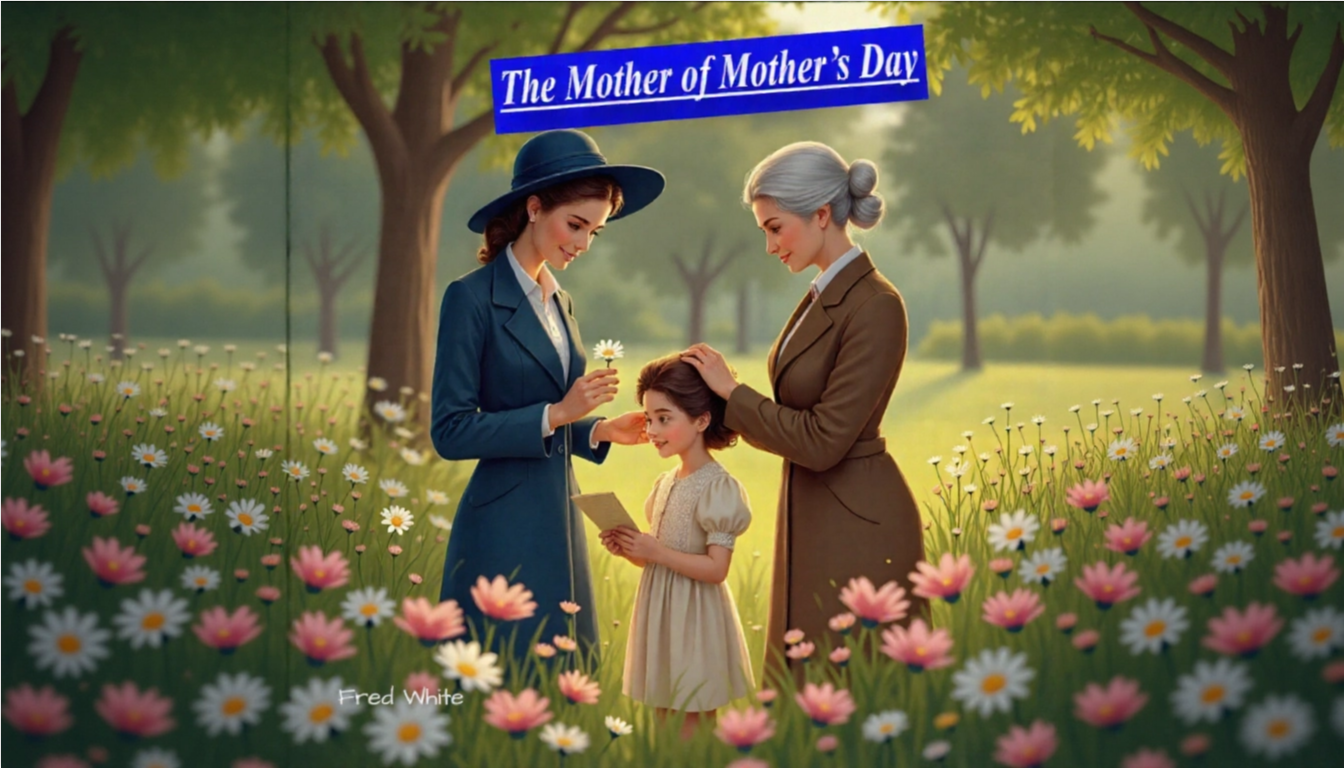

Every May, we reach for store-bought cards and white carnations to celebrate the women who raised us. But what if I told you that the founder of Mother’s Day, the woman behind it, spent her final years, and her entire fortune, fighting to abolish the very holiday she created? This remarkable story highlights the fascinating journey of the Woman Behind Mother’s Day.

In my latest historical flipbook, The Mother of Mother’s Day: The Two Faces of Anna Jarvis, we dive into the startling true story of a woman caught between a daughter’s promise and a war against “profiteers.”
A Daughter’s Promise Turned Commercial War
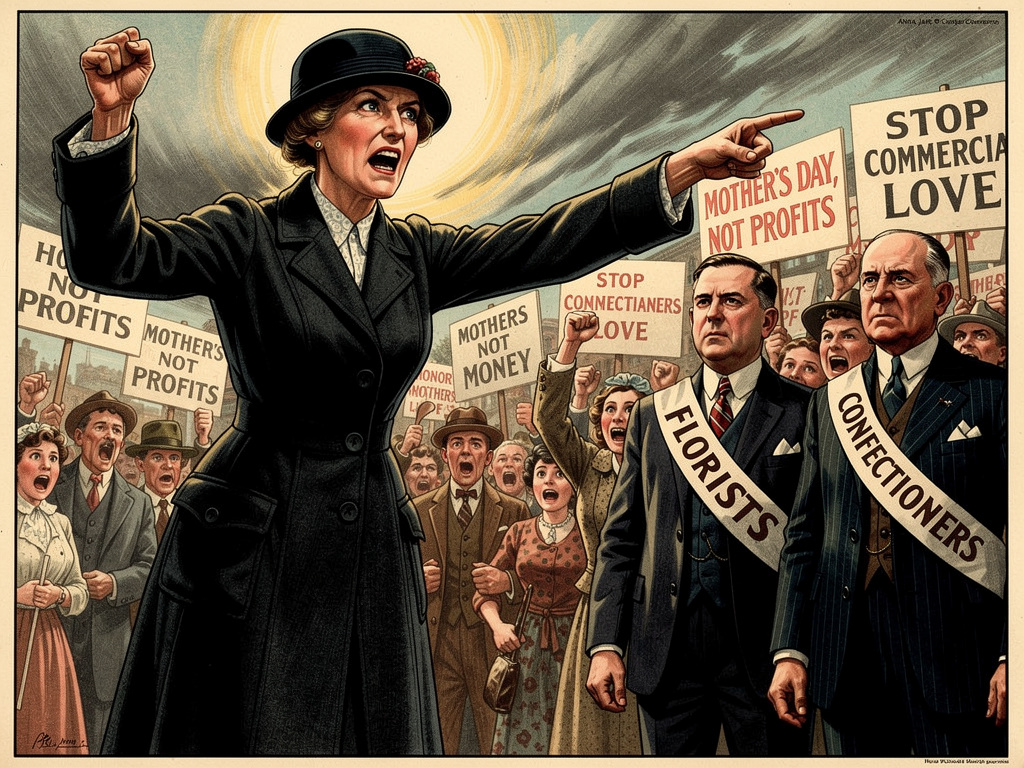
Anna didn’t want a holiday of candy and expensive bouquets. She wanted a day of quiet reflection to honor her mother’s activist legacy. When the “confectioners” took over, Anna didn’t just write letters; she crashed conventions and ended up in a jail cell fighting for the holiday’s heart.
Why This Story Matters Today
Whether you’re a history lover or just someone looking for a gift that means more than a price tag, this book is a reminder that the best gifts can’t be bought in a store.
- A Beautifully Illustrated Flipbook: Perfect for curious children and history-loving adults alike.
- The Ultimate Irony: Discover the secret benefactors who paid for Anna’s final days after she lost everything.
Bringing Memories to Life
On my YouTube channel, AI In Action, I’m always exploring how we can use modern technology to honor the past. Much like Anna Jarvis fought to keep her mother’s memory alive, I recently shared a video where I used AI to turn my mom’s faded photos into a moving masterpiece.
It’s about more than just “hype”; it’s about using every tool we have, from flipbooks to AI, to ensure that the stories of the women who shaped us are never forgotten.
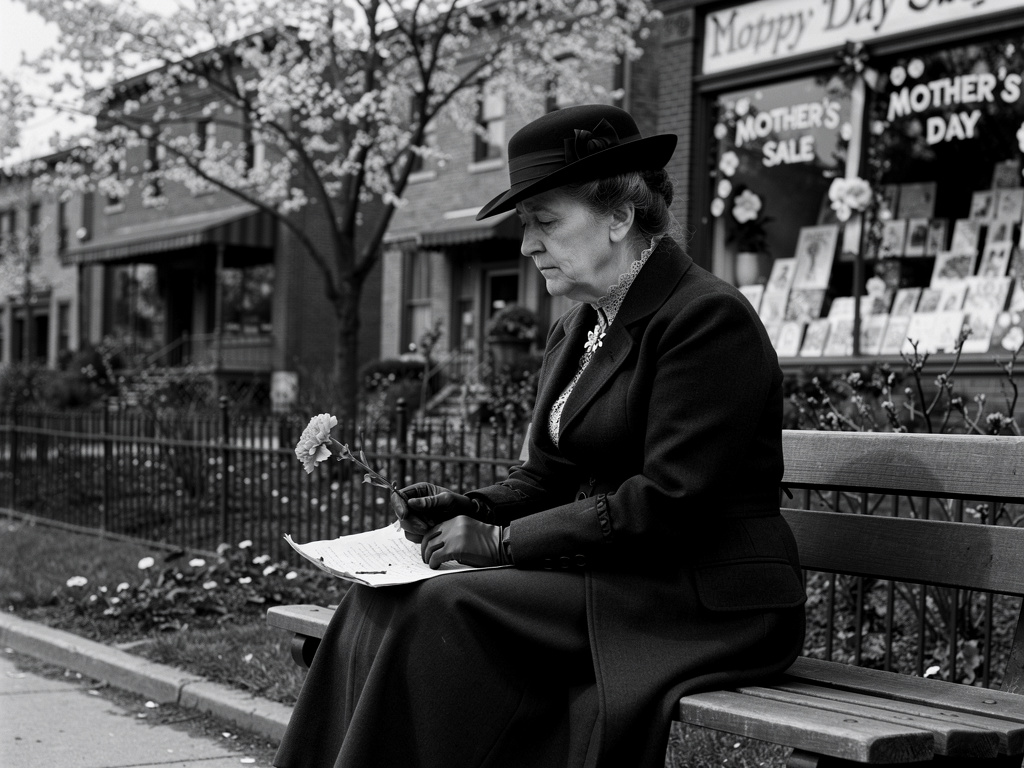
Anna Maria Jarvis, the social activist recognized as the founder of Mother’s Day in the United States, was born on May 1, 1864, in Webster, West Virginia. She was born in a two-story wooden house built by her father, Granville E. Jarvis, about a decade earlier. While Webster was her birthplace, her family moved to the nearby town of Grafton when she was only a year old, and she spent much of her childhood and early professional life there.
The “Devoted Daughter” Face:
Anna spent years writing thousands of letters to governors and businessmen to get the holiday recognized to honor her own mother’s work as a community health organizer.
The “Litigious Warrior” Face:
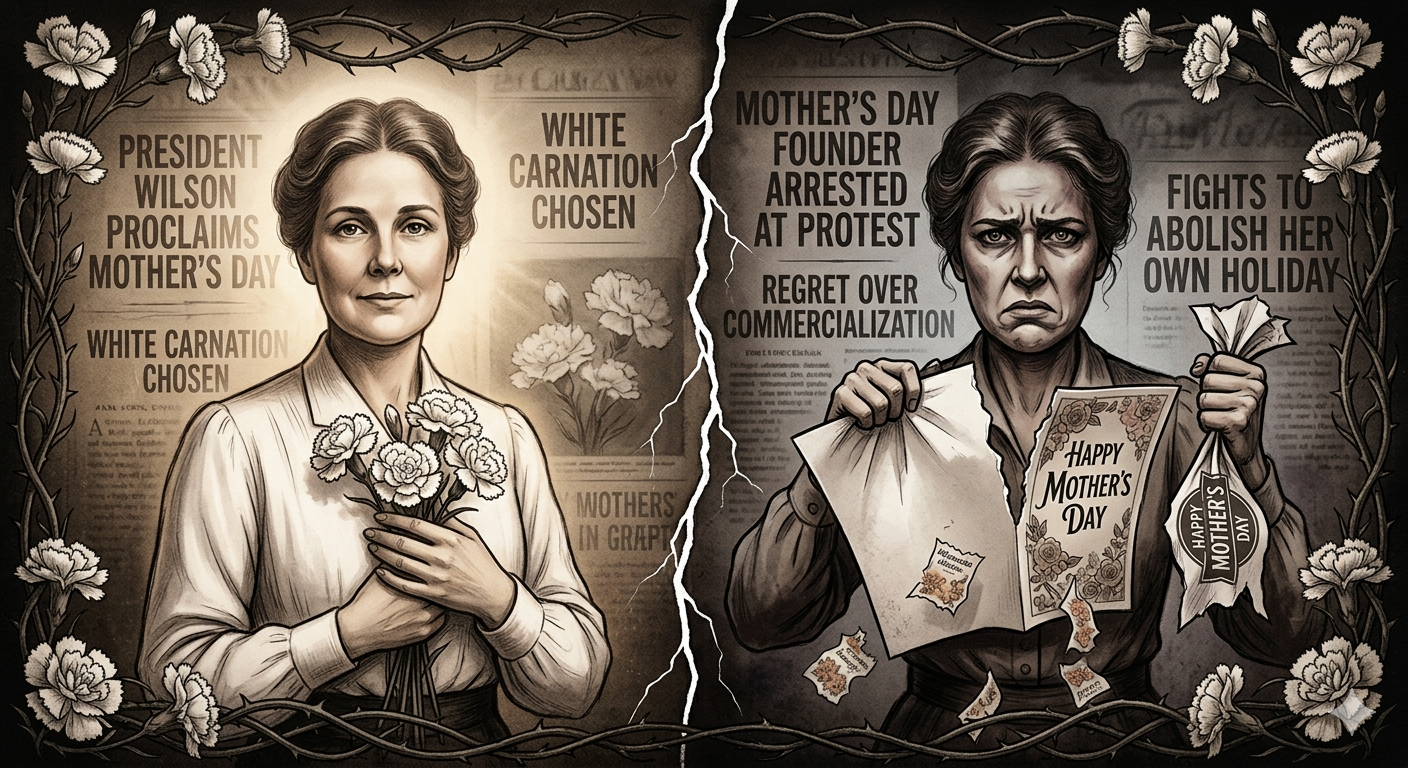
She eventually became so disgusted by the “Mother’s Day” cards and flowers that she was arrested for disturbing the peace at a Mother’s Day carnation sale and spent her remaining wealth on lawyers to sue anyone “commercializing” the day.
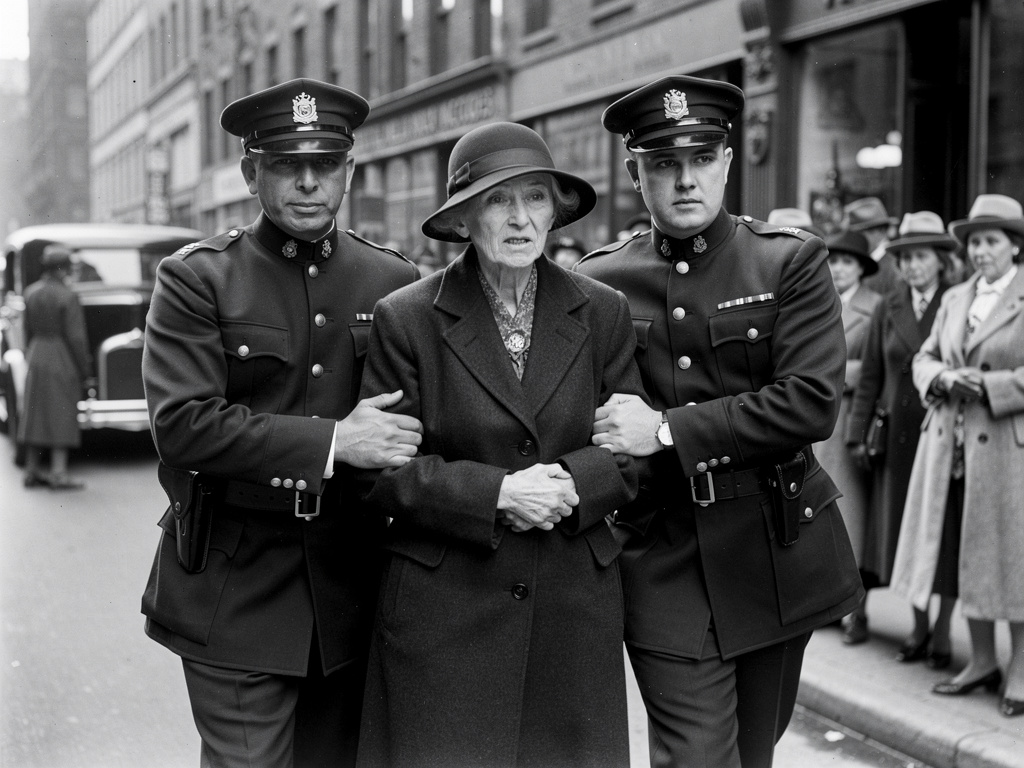
The “Litigious Warrior” Face:
She eventually became so disgusted by the “Mother’s Day” cards and flowers that she was arrested for disturbing the peace at a Mother’s Day carnation sale and spent her remaining wealth on lawyers to sue anyone “commercializing” the day.
Get your copy of “The Mother of Mother’s Day” on Amazon today and discover the holiday you thought you knew.
Anna Jarvis, the founder of Mother’s Day, envisioned a day of appreciation for mothers that transcended commercial interests. She believed in honouring their sacrifices and contributions, yet the holiday’s commercialization soon overshadowed her dream. This dichotomy highlights the ongoing struggle between honouring motherhood and the pressures of capitalism. Her story serves as a compelling narrative that encourages us to reflect on our values and the true meaning behind celebrations.
This story unveils the complexities of the woman behind Mother’s Day and her mission.
Mother’s Day was not only a celebration but also a powerful movement advocating for women’s rights and social justice. In the years following its inception, Anna Jarvis saw her vision transform as she battled against the commercialization of a day meant for genuine appreciation. This journey reveals not just the conflict between intention and reality, but also the broader implications of how society honours motherhood.
Understanding the complexities of her life reveals much about the Woman Behind Mother’s Day and the legacy she left behind.
In today’s world, where consumerism often overshadows meaningful gestures, Anna’s story resonates as a reminder. The commercialization of holidays can dilute their significance, transforming heartfelt sentiments into mere transactions. It’s vital to reflect on how we celebrate and the origins of those celebrations.
The Woman Behind Mother’s Day: A Legacy of Love and Activism
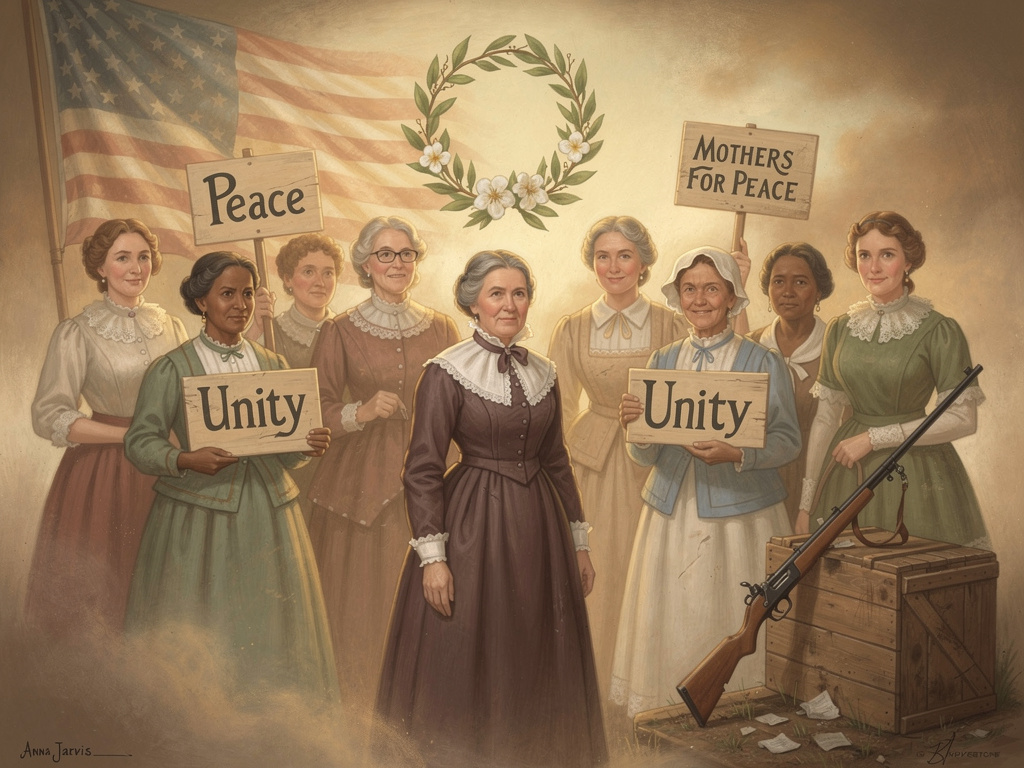
Many people are unaware that the early celebrations of Mother’s Day included social activism, with Jarvis advocating for peace following the Civil War. This background enriches our understanding of the holiday’s roots. It wasn’t simply a day for flowers; it was a call to honor the sacrifices of mothers everywhere and to promote unity in a divided nation.
Anna Jarvis’s struggle against commercialism reflects a broader concern in modern society about the authenticity of holiday celebrations. How do we ensure that our tokens of appreciation are genuine? This question remains relevant today as we navigate our relationships with those we love.
As we remember our mothers, it’s important to consider not just what we give, but how we give it. Acts of love can be as simple as a handwritten letter or a shared meal. It’s about the thought and effort behind the gesture rather than the monetary value.
Moreover, in a digital age where technology often takes precedence, we can utilize modern tools to enhance our connections. Sharing stories through social media or creating digital keepsakes can be meaningful ways to honor the legacy of the women who shaped our lives. By merging tradition with technology, we can keep their memories alive in innovative ways.
Lastly, Anna Jarvis’s fight serves as an inspiration for all of us. It reminds us that we can stand up for our beliefs, even against overwhelming odds. Her legacy encourages us to advocate for what we cherish, ensuring that our celebrations reflect true appreciation for the mothers and maternal figures in our lives.
In conclusion, the Woman Behind Mother’s Day, Anna Jarvis, not only created a holiday but also ignited a conversation about the significance of motherhood in society. Her legacy prompts us to consider how we honor those who raised us. Rather than succumbing to commercialism, we can strive to keep the spirit of Mother’s Day alive through meaningful acts of love and appreciation.
FAQs
Why did Anna Jarvis create Mother’s Day?
She was inspired by her own mother, Ann Maria Reeves Jarvis, who organized “Mother’s Day Work Clubs” for health and sanitation, and once prayed for a memorial day to honor mothers.
Did Anna Jarvis have any children?
Ironically, she never married and never had any children of her own.
Why did she eventually hate the holiday?
She was deeply offended by the day’s commercialization. She believed it should be a “personal day” for intimate family reflection, not a time for buying mass-produced cards, candy, or expensive flowers.
What was her original symbol for the day?
She chose the white carnation because it was her mother’s favorite flower. She believed its white petals symbolized the “truth, purity, and broad charity of mother love”.
Did she really try to abolish Mother’s Day?
Yes. She launched numerous lawsuits, organized boycotts, and even petitioned the government to rescind the holiday to stop businesses from profiting off it.
Was she arrested for her protests?
Yes, in 1925, she was arrested for disturbing the peace after she crashed a convention of American War Mothers who were selling white carnations to raise money.
How did she spend her final years?
She died penniless and blind in a sanitarium in Pennsylvania in 1948. She had spent her entire inheritance and life savings on legal battles to control or end the holiday.